Conclusion: Prioritizing Safety with the Right Gun Safe
The Ultimate Guide to Choosing and Using a Gun Safe: Secure Your Firearms
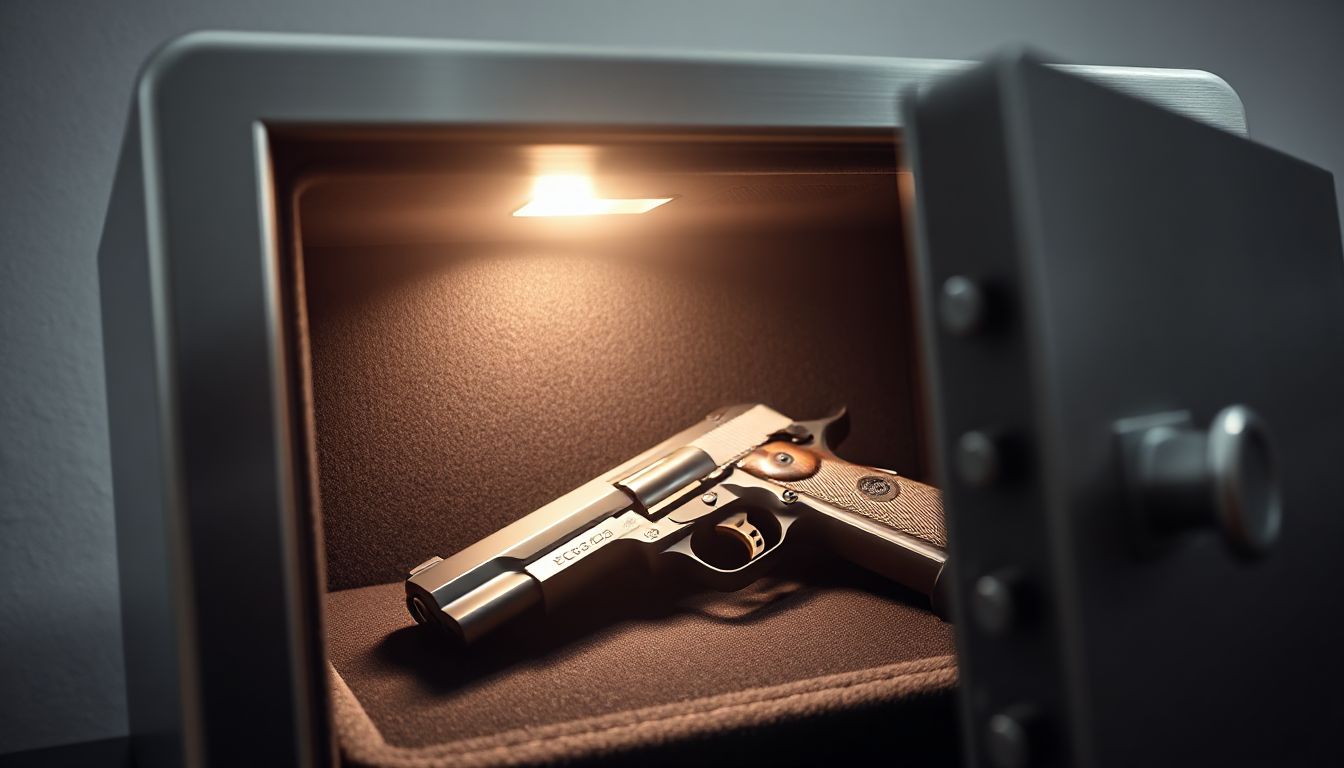
A gun safe is more than just a storage box; it's a critical component of responsible gun ownership, offering protection for your firearms, your family, and your home. In an era where firearm safety is paramount, understanding the nuances of gun safes—from selection criteria to proper usage—is essential for every gun owner. This guide delves into everything you need to know to make an informed decision and ensure the highest level of security.
The rise in accidental shootings and unauthorized access to firearms underscores the importance of secure storage. According to the CDC, an estimated 4.6 million children in the U.S. live in homes with guns, and unsecured firearms are a leading cause of unintentional firearm deaths and injuries among children. Investing in a quality gun safe is not just a recommendation; it's a proactive step towards preventing tragic incidents and safeguarding your valuable firearms.
This comprehensive resource will equip you with the knowledge to navigate the complexities of gun safes, empowering you to select the best option for your needs and maintain a secure environment. We’ll cover everything from understanding different types and features to the legal and ethical considerations of firearm storage.
Understanding the Importance of Gun Safes
A gun safe plays a vital role in keeping your home safe. It secures firearms away from those who should not have them. This simple act prevents many serious problems. Is your family truly safe without one?
Preventing Unauthorized Access
A gun safe acts as a strong barrier against danger. It keeps firearms out of reach for children, helping to prevent tragic accidents. The physical barrier stops burglars too. Most thieves skip homes when they spot a bolted-down gun safe. This strong box offers a clear message: these firearms are secure.
The safe also blocks access for any prohibited individuals. People who cannot legally own a gun should never touch yours. A solid gun safe acts as both a physical and a psychological deterrent. It protects your firearms from being misused.
Protecting Firearms from Damage
Beyond security, a good gun safe shields your valuable firearms. It guards against common environmental threats. Moisture and dust can cause rust and degrade gun parts over time. Extreme temperatures also harm delicate components.
Many gun safes offer strong fire protection. They can protect your firearms and important documents from intense heat. Some even provide water resistance, keeping contents dry during floods or fire suppression efforts. This protection keeps your firearms in good condition for years.
Legal and Insurance Requirements
Laws about firearm storage vary greatly by state and city. Some places require gun owners to keep firearms locked away. Checking your local laws is always a smart move. Secure storage fulfills your legal duty as a gun owner.
Many homeowner's insurance policies also care about gun security. Some insurers offer discounts if you own a certified gun safe. Others might even require one to cover stolen firearms. A quality gun safe protects your assets and could save you money.
Key Features to Consider When Buying a Gun Safe
Choosing the right gun safe involves looking at several important features. What specific needs do you have? Knowing these details helps you pick the perfect safe. Think about future needs, not just current ones.
Size and Capacity
Consider how many firearms you own now. Will your collection grow in the future? A gun safe should fit all your rifles, handguns, and shotguns comfortably. Make sure there is room for ammunition, magazines, and other accessories.
Check the internal configuration. Does it have adjustable shelves? Can it hold firearms with scopes or long barrels? A smart layout makes it easy to organize your items. Don't buy a safe too small for your needs.
Fire and Water Resistance Ratings
Fire protection is a top concern for many gun owners. Look for safes with a UL (Underwriters Laboratories) rating for fire resistance. These ratings show how long a safe can withstand high temperatures. For example, a "30-minute at 1200°F" rating means it protects contents for 30 minutes at 1200 degrees Fahrenheit.
Water resistance is also key, especially in flood-prone areas. Some safes have IP (Ingress Protection) ratings. These tell you how well the safe keeps water out. Investing in good fire and water protection safeguards your valuable collection.
Locking Mechanisms: Biometric, Electronic, and Key Locks
Gun safes offer various ways to lock them. Which one is right for you?
- Key Locks: These are simple and reliable. You always have a physical key. However, losing the key or needing quick access can be a problem.
- Electronic Locks: These use a keypad and a code. They offer fast access, especially in emergencies. Battery life is a factor; you must replace them regularly. A dead battery means no entry.
- Biometric Locks: These use fingerprints for entry. They offer the fastest access, needing only a touch. Reliability can vary, and they also depend on battery power.
All good gun safes have a drill-resistant hardplate. This extra layer protects the locking mechanism from forced entry. Consider your priority: quick access or ultimate simplicity?
Construction and Durability (Gauge of Steel, Welds, Boltwork)
The strength of a gun safe depends on its build. Look for thick steel walls. Steel gauge numbers are important here; a lower gauge number means thicker steel. For example, 10-gauge steel is stronger than 12-gauge. Thicker steel resists prying and drilling much better.
Examine the door design. Is it pry-resistant? The door should fit snugly against the frame. Look at the locking bolts. These are thick steel rods that extend from the door into the safe's frame. More bolts mean more security. Are they on all sides of the door? Strong welds hold the safe together. A well-built safe deters even determined thieves.
Types of Gun Safes and Their Applications
Gun safes come in many shapes and sizes. Each type suits different needs. What kind of firearm do you need to store? Where do you plan to put it?
Rifle Safes
Rifle safes are tall and often narrow. They are designed specifically for long guns like rifles and shotguns. Their height accommodates varying barrel lengths. Many models feature internal layouts that prevent scopes from hitting the safe walls.
Some rifle safes come with adjustable shelving. This lets you customize the space for rifles, handguns, or other items. They usually stand upright in a closet or corner. These safes are great for collectors of long guns.
Handgun Safes / Pistol Safes
Handgun safes are much smaller and more compact. They focus on quick access for personal defense weapons. These safes often sit on a nightstand or within a drawer. Some mount under a desk for easy reach.
Wall-mounted options keep handguns hidden but ready. You can even find small handgun safes for vehicles. These often use biometric or electronic locks for very fast entry. Pistol safes are perfect for storing one or two firearms securely yet accessibly.
Combination and Cabinet Safes
It’s important to know the difference between a gun safe and a gun cabinet. A true gun safe offers strong fire protection and heavy-duty steel. It provides serious security against theft. Gun cabinets, by contrast, are usually made from thinner steel. They offer basic security, mainly to keep guns away from unauthorized hands.
Gun cabinets are lighter and less expensive. They are good for simple storage in low-risk homes. If you want real protection from fire and determined burglars, choose a proper gun safe. The trade-off is often price versus security level.
Wall Safes and In-Wall Safes
Wall safes offer a discreet way to store firearms. They fit inside a wall, hidden behind a picture or furniture. This concealed storage makes them hard for thieves to find. Installation needs careful planning. You must cut into your wall and secure the safe to studs.
The security of a wall safe depends on the wall material. A strong wall safe in a flimsy wall offers little protection. Consider the depth and fire rating. These safes are best for smaller collections or specific items you want to keep hidden.
Proper Installation and Maintenance of Your Gun Safe
Buying a gun safe is just the first step. Proper installation makes all the difference in its security. Regular care also keeps it working well. Don't skip these vital steps.
Bolting Down Your Safe
Anchoring your gun safe is critical. An unbolted safe can be tipped over and carried away by burglars. Bolt it directly to the floor or a wall. This makes it much harder to remove.
For concrete floors, use special anchor bolts. For wood floors, lag screws are common. Make sure the bolts go deep enough into the subfloor or wall studs. Most safes come with pre-drilled holes for this purpose. This simple step turns a movable box into an immovable fortress.
Environmental Considerations for Placement
Where you put your gun safe matters. Avoid areas with high humidity, like basements without dehumidifiers. High moisture causes rust on firearms. Keep the safe away from direct sunlight or heating vents. These can cause large temperature swings inside.
Rapid changes in temperature can also lead to condensation. This moisture damages firearms. Choose a cool, dry spot inside your home. Proper placement helps preserve your firearms for years.
Regular Maintenance and Battery Replacement
A gun safe needs occasional care to stay in top shape. Lubricate the hinges and locking bolts once a year. Use a light, non-corrosive oil. Check for any signs of rust on the exterior.
For electronic or biometric locks, replace batteries regularly. Most manufacturers suggest changing them every 6-12 months. Don't wait for the battery to die. This ensures your safe opens every time you need it to. Good maintenance keeps your gun safe ready for any situation.
Responsible Gun Storage Beyond the Safe
A gun safe is the core of firearm security. However, responsible gun ownership goes further. Other practices complement your safe and boost overall safety. These habits protect everyone in your home.
Safe Handling Practices
Always treat every firearm as if it is loaded. This is the golden rule of gun safety. Keep the muzzle pointed in a safe direction at all times. Never point a gun at anything you don't intend to shoot. Your finger should stay off the trigger until your sights are on target.
These simple rules prevent accidental discharges. They are crucial for anyone handling firearms. Teach these habits to everyone who may come into contact with your guns.
Secure Ammunition Storage
Storing ammunition separately from firearms adds another layer of security. This is especially important in homes with children. Even if a child finds a gun, they cannot load it if the ammo is elsewhere. Use a separate lockbox for your ammunition.
Ammunition lockboxes are usually small, sturdy metal containers. They keep rounds organized and secure. This practice greatly reduces the risk of unauthorized use. It's a small step that makes a big difference.
Educating Family Members
Talk to your family about gun safety. Teach children the rule: "Stop, don't touch, run away, tell a grown-up." Make sure they know never to play with firearms. Develop a clear family safety plan regarding guns in the home.
Discuss the importance of secure storage with all adults. Knowing where firearms are stored, and how to access them in an emergency, is key. Open communication prevents many incidents.
Conclusion: Prioritizing Safety with the Right Gun Safe
Choosing and using a gun safe is a key part of responsible gun ownership. It offers peace of mind. You protect your family, your community, and your valuable firearms. Making an informed choice ensures true security.
Recapping Your Gun Safe Selection Checklist
When picking a gun safe, remember these vital points. First, choose the right size and capacity for your current and future needs. Second, check fire and water resistance ratings to protect against disasters. Third, decide on a reliable locking mechanism—key, electronic, or biometric. Fourth, examine the construction for thick steel and strong bolts. A sturdy build means better protection.
The Ongoing Commitment to Firearm Security
Owning a gun safe is an excellent first step. However, firearm security is an ongoing commitment. Regularly review your storage needs as your collection grows. Always adhere to safe handling practices. Educate your family about gun safety. Your vigilance protects lives and assets. Secure storage is the bedrock of responsible firearm ownership. Make the choice to keep your firearms safe and out of the wrong hands.


Comments
Post a Comment