Essential Considerations When Choosing a Vault Door
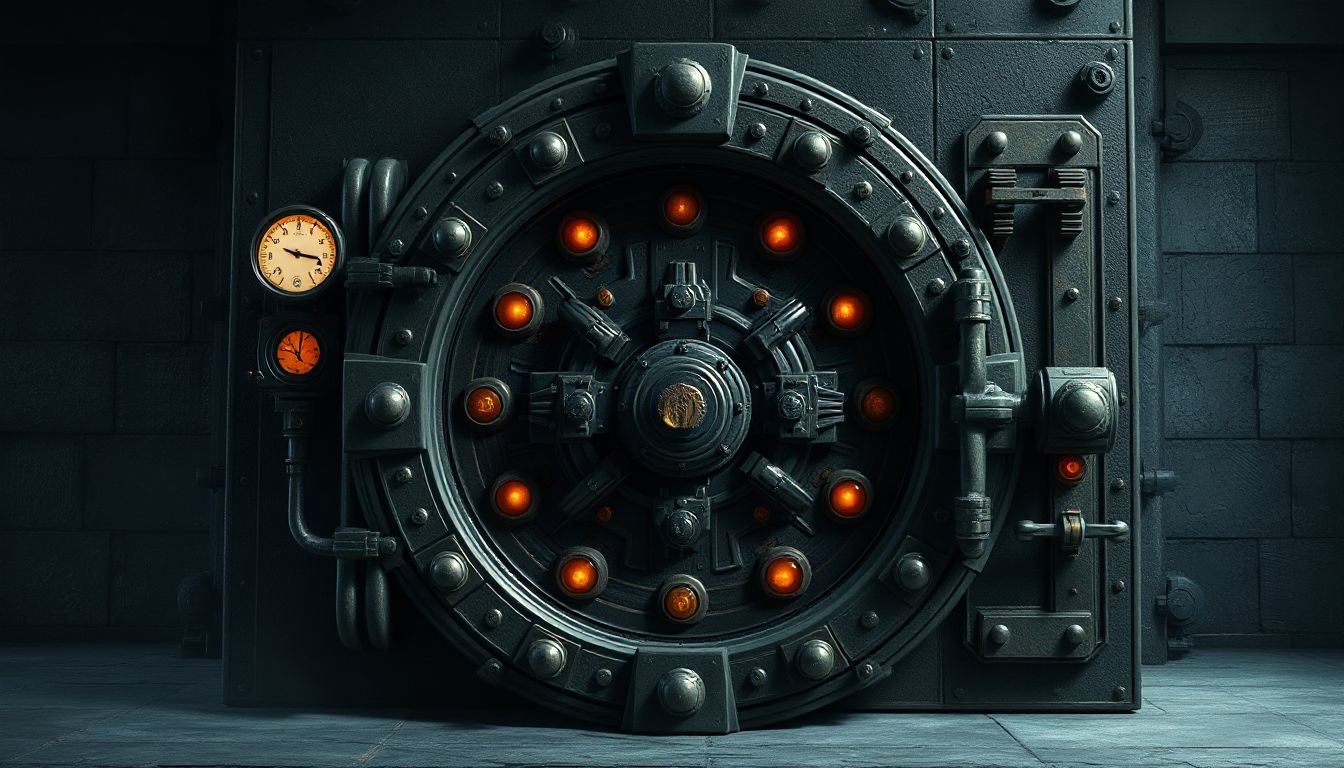
The Ultimate Guide to Vault Doors: Security, Features, and Installation
Keeping your most prized possessions safe is a top priority for everyone. In a world where threats can come from anywhere, top-level security is not just a luxury. It's a need. For people wanting the highest protection for their important assets, data, or even personal safety, a vault door stands as the ultimate shield. It's the strongest line of defense you can build.
What exactly sets a vault door apart from your everyday entryway? Think of it as a fortified gateway to a secure room, not just a reinforced barrier. These doors use heavy-duty materials and special locks. This makes them far stronger than any regular door. They give you a deep sense of calm, knowing what's inside is truly safe. This security lets you rest easy, day and night.
In this guide, you will learn everything about vault doors. We’ll look at the different kinds available. We’ll discuss their unique features. You'll find out what to consider before you buy one. We'll also cover why expert installation matters so much.
Understanding Vault Doors: What Sets Them Apart?
Defining Vault Doors
A vault door is not just a thick piece of metal. It's a highly engineered entry point designed for a secure room or vault. Unlike a small safe door that protects a single container, a vault door seals off an entire space. This space could be a concrete room or a specially built area. It works as the primary access to your private fortress.
This design makes it different from a simple reinforced door. A regular door might have some extra steel, but a vault door is built from the ground up for extreme defense. Its main job is to keep out any threat. This includes burglars, fire, or even natural disasters.
Key Security Features
Vault doors use several features to offer unmatched security. Each part works together to create a powerful barrier. They stop attempts to break in or cause damage.
- Thick Steel Construction: Vault doors are made with very thick steel. This steel is much thicker than what you find on standard doors. Steel gauges range significantly, but residential doors often use 1/4 to 1/2 inch plates. Commercial vault doors can be inches thick. This strong metal stands up to power tools, hammers, and prying. It makes forcing entry extremely hard.
- Reinforced Locking Mechanisms: The locks on a vault door are incredibly strong. They feature multiple bolts that extend deep into the door frame. These bolts are often made of solid steel and move in all directions. Many doors also include relockers. These are hidden devices that keep the door locked if someone tries to tamper with the main lock. This extra layer of defense makes breaking in nearly impossible.
- Fire Resistance: Many vault doors offer excellent fire protection. They use special fire-rated materials inside their structure. These materials stop heat from getting in. This protects your items from extreme temperatures. Many doors come with UL ratings, like 30 minutes or 1 hour of fire protection. This means they can keep the inside safe for that amount of time during a blaze.
Types of Vault Doors
Vault doors come in various types, each suited for different needs. Understanding these differences helps you pick the right door.
- Residential vs. Commercial: Residential vault doors are for homes. They often protect gun collections, family heirlooms, or safe rooms. Commercial doors are much larger and stronger. They protect large amounts of cash or data centers. They also meet higher security standards.
- Bank Vault Doors: These are the pinnacle of security. Bank vault doors are custom-built to withstand the most advanced attacks. They are extremely heavy and feature complex locking systems. These doors are designed to protect large amounts of money and sensitive financial records. They often weigh thousands of pounds.
- Home Vault Doors: These doors are becoming more popular in homes. They can turn a regular room into a secure space. Many people use them for storm shelters or panic rooms. They also keep valuable items safe from theft and fire. It's a smart way to add a layer of safety to your house.
Essential Considerations When Choosing a Vault Door
Picking the right vault door means looking at several key factors. These choices directly affect how much protection you get. They also impact how well the door fits your space.
Security Ratings and Certifications
Independent testing is very important for vault doors. These tests confirm how strong a door truly is. Certifications tell you exactly what the door can withstand.
- UL (Underwriters Laboratories) Ratings: UL is a trusted name in safety testing. Their ratings show a door’s resistance to forced entry. A TL-15 rating means the door can resist expert burglars for 15 minutes using common hand tools. A TL-30 rating means 30 minutes. TRTL-30x6 is a very high rating. It means the door can resist torches and drilling on all six sides for 30 minutes. Always check for these ratings.
- Fire Ratings: Besides burglary, fire is a big threat. Fire ratings tell you how long a door can protect its contents from high heat. Common ratings are 30 minutes, 1 hour, or 2 hours. This helps keep your papers and valuables safe if a fire starts. Look for certified fire ratings to ensure true protection.
Locking Mechanisms and Access Control
How you lock and unlock your vault door is a big decision. Different lock types offer various levels of security and convenience.
- Mechanical Combination Locks: These are the traditional choice. They are very reliable and don't need power. You turn a dial to a series of numbers to open them. They are known for being durable and hard to defeat.
- Electronic Keypad Locks: These locks are convenient. You enter a code on a keypad. They often have features like multiple user codes or audit trails. This lets you see who accessed the vault and when. They need batteries, but are easy to use daily.
- Biometric Locks: For top-tier security, biometric locks use your unique physical traits. Fingerprint or iris scanners mean only authorized individuals can get in. They offer fast access without needing keys or codes.
- Dual-Lock Systems: Many high-security vault doors use two different lock types. For example, a mechanical combination lock paired with an electronic keypad. This setup adds another layer of security. Both locks must be opened to gain access.
Door Specifications and Dimensions
Knowing the exact size and fit is crucial for a vault door. These doors are heavy and specific.
- Door Size and Swing Direction: Vault doors come in many sizes. You need to pick one that fits your opening exactly. Think about how the door swings. Does it open inward or outward? Will it block space when open? Make sure there's enough room for it to swing freely.
- Wall Thickness and Mounting: The door needs to attach to a strong wall. Vault doors are designed to integrate with thick concrete or reinforced walls. The frame of the door typically overlaps the wall opening. This creates a secure connection. Proper mounting prevents the door from being forced out.
- Weight and Structural Support: Vault doors are extremely heavy. Even a small residential door can weigh hundreds of pounds. Large commercial doors can weigh tons. Your floor and walls must support this weight. You might need to reinforce the structure before installation. Always check your building’s capacity first.
Installation and Maintenance of Vault Doors
A vault door is only as good as its installation. This is not a DIY job. Proper setup is key to its security.
Professional Installation is Key
Trying to install a vault door yourself is not a good idea. These are complex security devices. You need experts to put them in right.
- Ensuring Structural Integrity: An incorrectly installed door can fail under attack. Professional installers make sure the door frame is securely anchored. They ensure it's flush with the wall. This makes it impossible to pry open the edges. They know how to handle the immense weight safely.
- Proper Sealing and Fit: A tight seal around the door is vital. This stops smoke and water from getting in during a fire or flood. Professionals ensure a perfect fit. This tight seal also makes the door harder to attack with tools.
- Compliance with Codes: Building codes often have strict rules for secure rooms. Professional installers know these codes. They make sure your vault door meets all safety and security regulations. This avoids future problems or penalties.
Pre-Installation Planning
Before the installers arrive, some steps can help. Planning makes the process smoother and safer.
- Site Assessment: Have an expert check your chosen location. They can tell you if the area needs structural upgrades. They will ensure it can handle the door's weight. This helps avoid costly surprises later on.
- Door Delivery and Access: Vault doors are huge and heavy. Think about how the door will get from the delivery truck into your building. Will it fit through hallways and doors? Are there stairs or tight turns? Planning the delivery path saves time and prevents damage.
Ongoing Maintenance and Care
Like any high-security item, vault doors need care. Regular maintenance keeps them working perfectly for years.
- Lubrication of Moving Parts: The hinges and locking bolts need routine lubrication. This keeps them moving smoothly. It prevents wear and tear. Use a recommended lubricant, not just any oil.
- Locksmith Servicing: Have a qualified safe or vault locksmith inspect your door yearly. They can check the locking mechanism. They can make sure everything is aligned. This helps catch small issues before they become big problems.
- Cleaning and Environmental Protection: Keep the door clean. Wipe it down regularly to remove dust and grime. Ensure the vault room has good humidity control. This prevents rust on metal parts. It also keeps internal mechanisms from corroding.
Real-World Applications and Benefits
Vault doors protect a wide range of items and spaces. They offer peace of mind in many different settings.
Protecting Valuables at Home
In your house, a vault door can create a strong safe zone. It protects your most cherished possessions from many dangers.
- Firearms Collections: For gun owners, secure storage is a must. A vault room with a sturdy door keeps firearms safe from theft. It also keeps them away from curious hands. This meets legal storage requirements and personal safety needs.
- Jewelry and Precious Metals: High-value items like jewelry, gold, and silver are prime targets. A vault door ensures these treasures are locked away tight. It makes them very hard for thieves to get to.
- Important Documents and Data: Personal records, business files, and backup data need ultimate protection. A fire-rated vault door safeguards these sensitive items from fire, flood, and theft. This includes wills, titles, and digital archives.
- Storm and Tornado Shelters: Beyond valuables, vault doors create safe zones for people. A vault room can double as a secure shelter during severe weather. It provides a strong place for your family when tornados or storms hit.
Securing Businesses and Institutions
For businesses, vault doors are critical for operations. They protect crucial assets and ensure continuity.
- Data Centers: Companies rely on their digital data. Vault doors protect server rooms and data centers. They keep out unauthorized access. This guards against theft, sabotage, and environmental damage to vital IT systems.
- Banks and Financial Institutions: This is where vault doors got their start. Banks use them to secure cash, loan documents, and safe deposit boxes. Their robust design is essential for maintaining trust and protecting large sums of money.
- Jewelry Stores and Pawn Shops: These businesses handle high-value inventory. Vault doors protect their goods overnight and during off-hours. This stops smash-and-grab thefts and organized burglaries.
- Museums and Archives: Precious artifacts, historical documents, and priceless art need specific protection. Vault doors are used in museums and archives. They protect these irreplaceable items from theft, fire, and decay.
Conclusion
Vault doors give you unmatched security. They are built tough with thick steel and advanced locks. Choosing the best door means looking at its security ratings, lock types, and how it fits your space. Remember, professional installation is key for safety. You also need to do regular maintenance. Vault doors keep your firearms, jewelry, documents, and even your family safe. They protect homes and businesses alike. Investing in a vault door means ultimate peace of mind. It keeps what matters most truly secure.


Comments
Post a Comment